
With major North-South highways running through Modesto, local roads see significant truck traffic from area distribution hubs, farms, and manufacturers. These large Truck Accident Lawyer Modesto CA pose a heightened risk for accidents involving passenger cars, with serious and often catastrophic consequences.
A truck accident lawyer is essential to investigate and secure appropriate compensation after a crash. An attorney well-versed in vicarious liability and California law will guide injured parties through the claims process.
Damages
Because Modesto sits in the heart of Stanislaus County, our city streets and highways are crawling with large trucks transporting crops from local farmland. These vehicles are essential to our economy, but sadly, they can cause devastating accidents. Our firm is experienced in investigating truck accidents and determining liability to help our clients recover fair compensation for their losses.
These claims can include property damage and medical expenses. Victims may also be able to claim lost wages due to an inability to work. Additionally, California law allows victims to receive compensation for pain and suffering. This is a difficult thing to put a dollar value on, but our lawyers can help determine a suitable figure based on the severity of your injuries and their impact on your life.
Since truck drivers are usually employed by larger trucking companies, it is possible that you can also claim vicarious liability and receive compensation from the company. This is especially true if the truck driver was acting in the course and scope of their employment when the crash occurred.
Medical Expenses
Typically, the most pressing financial concern after a truck accident is for medical care and support to meet an injury victim’s needs. This includes all costs incurred to manage symptoms and recover from the crash, including hospital bills, ambulance fees, prescriptions, ongoing therapy, and any other treatment necessary. It also covers the cost of modifications to a home to support recovery and future care (for example, wheelchair ramps or other equipment).
Your Modesto truck crash lawyer will review all available insurance coverage and find out who might be liable for your damages. This could include the truck driver, the trucking company they work for, or even the truck manufacturer if it’s shown there was a mechanical problem or design flaw that contributed to your accident.
Your lawyer will gather and review all evidence, including police reports, auto shop records, video footage from traffic cameras, eyewitness testimony, and more. This evidence will be used to prove your case and demonstrate liability for your injuries, losses, and damages.
Lost Wages
With two major North-South highways intersecting in Modesto and local roads serving food processing plants, manufacturers and other industrial facilities, the city of Modesto sees a high volume of trucks. Unfortunately, this also means a high number of truck accidents each year.
If your injuries prevent you from working for extended periods, California law allows you to claim compensation to cover lost wages. Your Modesto truck accident lawyer can help you gather pay stubs and employment records to provide clear proof of your income before the accident occurred, as well as documents verifying your loss of earning capacity.
You may also be entitled to pain and suffering compensation for the physical and psychological trauma you endured as a result of your accident. It’s challenging to put a price on such harm, but your Modesto truck accident attorney can assist you in calculating an appropriate sum to pursue.
Pain and Suffering
Modesto is at the intersection of a few major California highways and is frequented by commercial trucks and semis. While these large vehicles are important for shipping goods to and from the city, they pose a significant danger to drivers of smaller cars when they collide with them.
Physical injuries are a substantial part of truck accident claims, but they also include compensation for emotional distress and diminished quality of life. A skilled Modesto truck accident lawyer can help you quantify these damages and obtain fair compensation for them.
Determining negligence in a truck accident requires extensive investigation, and there may be multiple responsible parties. These can include the truck driver, their employer, vehicle manufacturers, maintenance teams, and cargo loaders. Holding all liable parties accountable for your injuries can significantly increase the amount of settlement funds available to you. An experienced lawyer can guide you through the process of identifying all parties and holding them liable for your damages.
Alabama, nicknamed “The Heart of Dixie,” offers a unique tapestry of American history and natural beauty. From historic streets in Montgomery to the scenic beauty of Noccalula Falls Park, a variety of experiences await residents and visitors alike. However, owning and maintaining a vacant piece of land can be costly. For owners with a change of plans or life events that render the property unusable, selling vacant Alabama land can be an attractive option to avoid ongoing expenses.
Selling to a “we buy land” company can provide a quick cash close that bypasses the hassles of mortgage lending, inspections and appraisals, and back end closing fees. This can be especially beneficial for sellers who want to sell land as is, or those facing financial challenges like divorce or a family tragedy.
A land buying company can provide an initial cash offer by reviewing basic parcel details via online form submission. From there, the company can research local market data to assess comparable sales and develop an offer amount for the property. Most buyers will negotiate based on their specific needs and objectives, including their preferred purchase terms and price point.
The buyer can also choose to extend seller Quick Offer for Alabama Land financing as an incentive to close the sale more quickly. This feature is often useful for builder buyers who plan to construct a home on the site within a few years, as they can spread their construction costs over several payments. Moreover, it can broaden the pool of qualified prospective buyers able to secure a land loan as opposed to traditional bank mortgages for land purchases.
Closing costs can add up for both the seller and the buyer, notably for residential or commercial land sales. Typically, the seller will pay real estate broker commission fees, document preparation charges averaging $500-$1,500, and recording fees ranging from $100-$200 to file the purchase deed with county recorder. Unless the seller has previously agreed to cover these expenses, they should be prepared to absorb them.
Ultimately, a successful and swift land sale involves an honest assessment of one’s motivations and timeline requirements, sufficient pricing research to showcase the property’s strengths, and legal readiness to transact decisively when promising offers emerge. By committing to these guidelines, owners can close out a life stage and open up fresh opportunities for themselves.
If you’re ready to sell your vacant Alabama land, get in touch with a local cash buyer. They can make a fair all-cash offer for your property and close the sale in as few as 30 days. Contact a seller marketplace like Houzeo to start getting quotes from multiple interested buyers in minutes! Click the button below to get started. We’ve helped thousands of land sellers just like you. We’ll match you with the best local cash buyer for your property in just 24 hours. Then, we’ll guide you through the process until it’s done. And it’s completely free! So, what are you waiting for? Let’s go!

In a world inundated with conflicting nutritional advice and tempting convenience foods, maintaining a healthy diet can feel like a daunting task. However, with the right knowledge and approach, healthy eating can become a sustainable and enjoyable part of your lifestyle. Whether you’re aiming to improve your energy levels, support your immune system, or simply feel your best, these ten practical tips will help you navigate the world of nutrition with confidence and ease:
1. **Start with a Balanced Plate**: Build your meals around a foundation of nutrient-dense foods. Aim to fill half your plate with colorful fruits and vegetables, one-quarter with lean protein sources such as poultry, fish, tofu, or beans, and one-quarter with whole grains or starchy vegetables like sweet potatoes or quinoa. This balanced approach ensures you’re getting a variety of essential nutrients with each meal.
2. **Read Food Labels**: Take the time to read food labels when shopping for groceries. Pay attention to serving sizes, ingredient lists, and nutritional content, especially for packaged and processed foods. Look for products with minimal added sugars, sodium, and unhealthy fats, and prioritize whole, unprocessed options whenever possible.
3. **Meal Prep for Success**: Invest time in meal prepping to set yourself up for healthy eating success throughout the week. Choose one day to plan and prepare meals and snacks in advance, portioning them into containers for easy grab-and-go options. Having healthy meals readily available reduces the temptation to opt for less nutritious choices when you’re short on time.
4. **Snack Smartly**: Keep healthy snacks on hand to satisfy hunger between meals and prevent overeating. Opt for nutrient-dense options like fresh fruit, raw vegetables with hummus, Greek yogurt, nuts, or whole grain crackers with nut butter. Portion out snacks ahead of time to avoid mindless munching.
5. **Mind Your Portions**: Practice portion control to prevent overeating and support weight management goals. Use smaller plates and bowls to visually trick your brain into feeling satisfied with less food. Listen to your body’s hunger and fullness cues, stopping when you feel comfortably satisfied rather than overly full.
6. **Stay Hydrated**: Proper hydration is essential for overall health and well-being. Aim to drink plenty of water throughout the day, and consider setting reminders to ensure you’re staying adequately hydrated. Herbal teas, infused water, and sparkling water can add variety and flavor to your hydration routine.
7. **Limit Processed Foods**: Minimize your intake of processed and packaged foods, which are often high in added sugars, unhealthy fats, and preservatives. Instead, focus on whole, minimally processed options that are rich in nutrients and free from artificial additives. Choose foods in their natural state whenever possible.
8. **Listen to Your Body**: Pay attention to how different foods make you feel and adjust your diet accordingly. Notice any patterns or reactions your body has to certain foods, and make informed choices based on your individual needs and preferences. Trust your body’s signals and honor its unique requirements.
9. **Practice Moderation, Not Deprivation**: Allow yourself to enjoy your favorite foods in moderation without guilt or restriction. Depriving yourself of certain foods can lead to feelings of deprivation and ultimately backfire. Instead, aim for balance and flexibility in your diet, indulging in treats occasionally while prioritizing nutrient-dense options most of the time.
10. **Seek Support and Accountability**: Surround yourself with a supportive community of friends, family, or like-minded individuals who share your health and wellness goals. Share recipes, meal ideas, and success stories, and lean on each other for encouragement and accountability. Having a support system can make healthy eating feel more enjoyable and sustainable in the long run.
In conclusion, healthy eating doesn’t have to be complicated or restrictive. By implementing these ten practical tips into your daily routine, you can fuel your body with the nutrients it needs to thrive and energize your life from the inside out. Remember that small changes add up over time, so start incorporating these tips today and celebrate the positive impact they have on your overall health and well-being.

In a world where fad diets and quick-fix solutions abound, the essence of true nourishment often gets lost in the noise. Healthy eating isn’t just about counting calories or restricting food groups; it’s about nourishing your body from the inside out and cultivating a harmonious relationship with food. By adopting a holistic approach to healthy eating, you can nourish not only your body but also your mind and soul. Here are ten holistic tips to guide you on your journey towards vibrant health and well-being:
1. **Eat Mindfully**: In today’s fast-paced world, it’s easy to rush through meals without truly savoring the experience. Practice mindful eating by slowing down, chewing your food thoroughly, and paying attention to the flavors, textures, and sensations. By eating mindfully, you can enhance your enjoyment of food and cultivate a deeper connection with your body’s hunger and fullness cues.
2. **Choose Whole, Plant-Based Foods**: Plant-based foods are not only rich in essential nutrients but also abundant in phytonutrients and antioxidants that support overall health. Aim to fill your plate with a colorful array of fruits, vegetables, whole grains, legumes, nuts, and seeds. These nutrient-dense foods provide the building blocks your body needs to thrive.
3. **Prioritize Quality Over Quantity**: Focus on the quality of your food rather than simply counting calories or macros. Choose organic, locally sourced, and minimally processed foods whenever possible. By prioritizing quality over quantity, you can ensure that your body receives the highest levels of nutrients and avoid exposure to harmful chemicals and additives.
4. **Stay Hydrated**: Proper hydration is essential for optimal health and well-being. Drink plenty of water throughout the day to support digestion, nutrient absorption, and detoxification. Consider incorporating herbal teas, coconut water, and fresh fruit-infused water to add variety and flavor to your hydration routine.
5. **Practice Intuitive Eating**: Tune into your body’s innate wisdom and listen to its signals of hunger, fullness, and satisfaction. Eat when you’re hungry, stop when you’re satisfied, and honor your cravings without judgment. By practicing intuitive eating, you can foster a healthy relationship with food based on self-trust and self-care.
6. **Include Healthy Fats**: Embrace the power of healthy fats to nourish your body and support optimal brain function, hormone balance, and heart health. Incorporate sources of healthy fats such as avocados, olive oil, nuts, seeds, and fatty fish into your meals and snacks.
7. **Mind Your Gut Health**: Your gut is home to trillions of bacteria that play a crucial role in digestion, immune function, and overall health. Support your gut health by consuming probiotic-rich foods such as yogurt, kefir, sauerkraut, and kimchi. Additionally, include plenty of prebiotic foods like garlic, onions, asparagus, and bananas to feed the beneficial bacteria in your gut.
8. **Practice Food Gratitude**: Cultivate a sense of gratitude for the nourishment that food provides. Take a moment before each meal to express gratitude for the abundance of nourishing foods on your plate and the hands that helped bring them to you. By practicing food gratitude, you can deepen your appreciation for the gifts of the earth and the interconnectedness of all beings.
9. **Cook with Love**: Infuse your meals with love and intention by preparing them with care and mindfulness. Cooking can be a therapeutic and creative act that nourishes not only your body but also your soul. Experiment with new recipes, flavors, and cooking techniques, and savor the joy of sharing nourishing meals with loved ones.
10. **Cultivate Joyful Movement**: Healthy eating is just one piece of the puzzle when it comes to overall well-being. Incorporate joyful movement into your daily routine, whether it’s dancing, walking in nature, practicing yoga, or playing your favorite sport. Movement not only strengthens your body but also uplifts your spirit and enhances your overall quality of life.
In conclusion, healthy eating is a holistic endeavor that encompasses nourishing your body, nurturing your soul, and honoring the interconnectedness of all aspects of your being. By incorporating these ten holistic tips into your lifestyle, you can embark on a journey towards vibrant health, vitality, and well-being. Remember, true nourishment extends beyond the plate and encompasses every aspect of your life. Embrace the journey with an open heart and a willingness to listen to the wisdom of your body and soul.
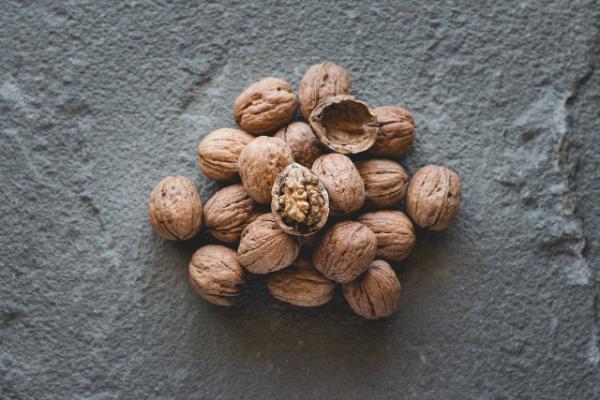
In the hustle and bustle of modern life, amidst the constant bombardment of fast food joints and seductive snacks, maintaining a healthy diet can feel like an uphill battle. However, prioritizing wholesome, nourishing foods is essential for not just physical well-being but also for mental clarity and emotional balance. By incorporating simple yet effective healthy eating habits into your daily routine, you can unlock the gateway to vitality and embrace a vibrant life. Here are ten invaluable tips to guide you on your journey towards optimal health:
1. **Embrace Variety**: The key to a balanced diet lies in diversity. Incorporate a wide array of fruits, vegetables, whole grains, lean proteins, and healthy fats into your meals. Each food group offers a unique blend of nutrients, ensuring that your body receives a broad spectrum of vitamins, minerals, and antioxidants essential for optimal functioning.
2. **Mindful Eating**: Slow down and savor each bite. Mindful eating not only enhances your enjoyment of food but also allows you to tune into your body’s hunger and fullness cues. By paying attention to your body’s signals, you can avoid overeating and foster a healthier relationship with food.
3. **Hydration is Key**: Water is the elixir of life, essential for maintaining proper bodily functions. Aim to drink at least eight glasses of water per day, and adjust your intake based on your activity level and climate. Infuse your water with slices of citrus fruits or fresh herbs for a refreshing twist.
4. **Portion Control**: Be mindful of portion sizes to prevent overindulgence. Use smaller plates and bowls to visually trick your brain into thinking you’re consuming more than you actually are. Additionally, listen to your body’s hunger and fullness cues to avoid mindless eating.
5. **Prioritize Whole Foods**: Opt for whole, unprocessed foods whenever possible. Whole foods are rich in nutrients and free from artificial additives, making them the cornerstone of a healthy diet. Choose whole grains over refined grains, and opt for fresh, whole fruits and vegetables instead of canned or processed alternatives.
6. **Include Healthy Fats**: Not all fats are created equal. Incorporate sources of healthy fats such as avocados, nuts, seeds, and fatty fish into your diet. These fats are essential for brain health, hormone production, and absorption of fat-soluble vitamins.
7. **Read Labels Wisely**: When shopping for groceries, take the time to read food labels carefully. Look for products with simple, recognizable ingredients and minimal added sugars, sodium, and unhealthy fats. Pay attention to serving sizes to avoid unintentionally consuming excessive calories.
8. **Plan and Prep Ahead**: Set yourself up for success by planning your meals and snacks in advance. Dedicate time each week to meal prep, chopping vegetables, cooking grains, and portioning out healthy snacks. Having nutritious options readily available makes it easier to make wholesome choices throughout the week.
9. **Listen to Your Body**: Tune into your body’s individual needs and preferences. Experiment with different foods and cooking methods to discover what makes you feel your best. Trust your intuition and honor your cravings, while also being mindful of moderation and balance.
10. **Practice Moderation, Not Deprivation**: Healthy eating is about balance, not restriction. Allow yourself to indulge in your favorite treats occasionally, but practice moderation to avoid derailing your progress. Savor each indulgence mindfully, guilt-free, and return to your healthy eating habits with renewed focus.
In conclusion, prioritizing healthy eating is a powerful investment in your overall well-being. By incorporating these ten essential tips into your daily routine, you can cultivate a nourishing relationship with food and unlock the path to vitality and longevity. Remember, small changes add up over time, so start implementing these tips today and embark on your journey towards a healthier, happier you.